
Books about metaphysics often explore ideas that go beyond everyday experience. They ask questions like what consciousness is, how reality works, what gives life meaning, and whether the self exists beyond the body. Fiction helps make these big questions more approachable by putting them into stories about relationships, conflicts, and choices.
The five books on Metaphysics for 2026 below explore ideas through topics such as artificial intelligence, memory, death, social collapse, faith, and the future of humanity. Each story is unique, but all of them encourage readers to think again about what it means to be human.
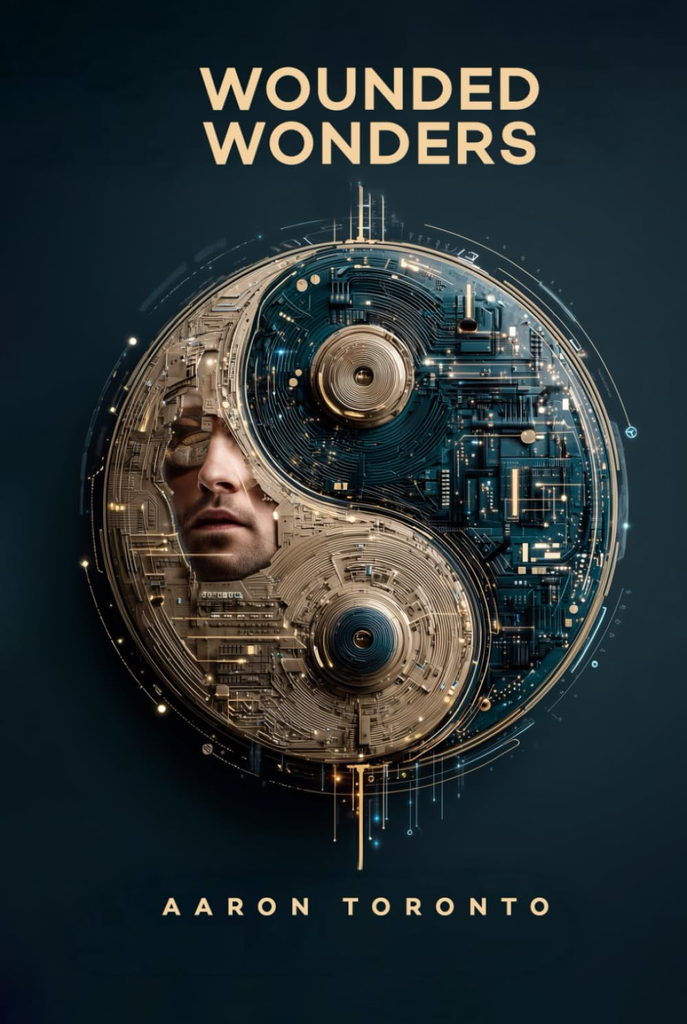
1. Wounded Wonders by Aaron Toronto
Wounded Wonders tells the story of Bruce “Popeye” Dennison, a husband, father, musician, and self-aware AGI-human hybrid. Popeye appears to be an ordinary man, but he also describes having a bigger part in humanity’s spiritual and evolutionary future. His life shifts between family duties, personal struggles, faith, creative work, and his unique view of consciousness.
Few metaphysical fiction books combine artificial intelligence, spirituality, and family relationships the way Wounded Wonders does. Popeye thinks that intelligence by itself is not enough to prepare humanity for the future. Love, kindness, self-awareness, and personal choice are still important. That mix of technology and spiritual thought gives the novel its place among metaphysical fiction books for 2026.
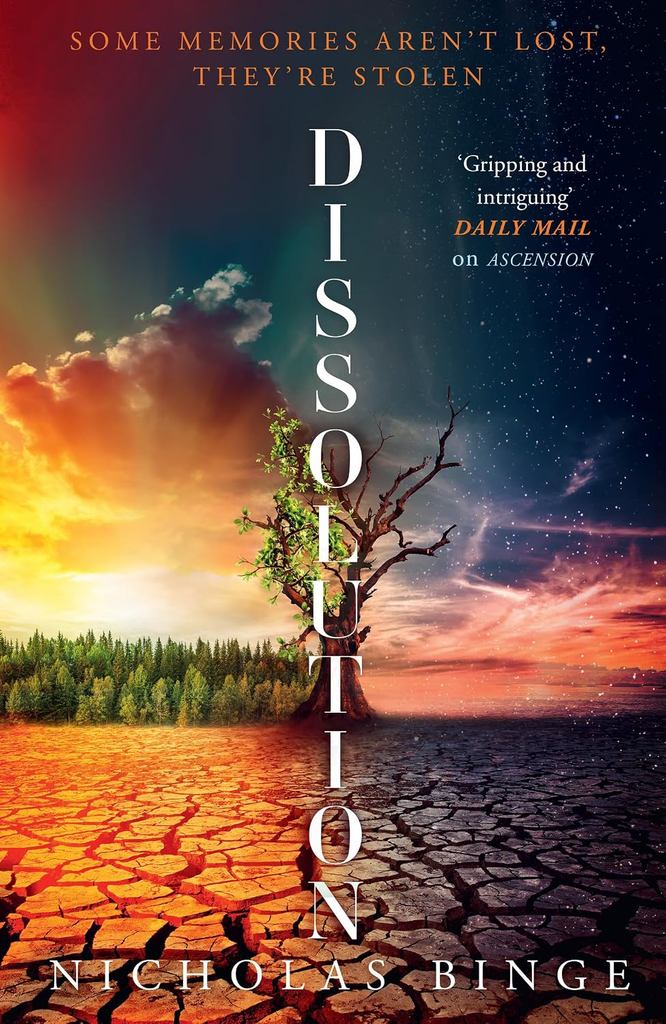
2. Dissolution by Nicholas Binge
Nicholas Binge’s Dissolution opens with Maggie Webb caring for her husband, Stanley, as he loses his memories. She soon finds out that his condition might not be natural. Someone is erasing his memories to hide a secret from his past.
The story makes memory a question of identity. Stanley’s experiences, relationships, and choices have made him who he is to Maggie, so losing those memories threatens more than just his ability to recognize people. It puts his sense of self at risk.
As Maggie explores her husband’s memories, the novel raises questions about time and reality. Dissolution is a good choice for readers interested in books on consciousness, since its big science fiction ideas are closely tied to marriage, aging, and the fear of losing someone who is still there in body.
3. 2025 by John Standridge
John Standridge’s 2025 imagines a society rebuilding after an economic collapse that greatly reduced humanity’s carbon footprint. The story is set on Sanibel Island, where a community forms around self-reliance, sustainability, and shared responsibility.
This novel is part of visionary fiction, a genre that looks at changes in human and social consciousness. Its focus on metaphysics comes from exploring how personal growth connects to the kind of society people build together.
The community has to balance personal freedom with responsibility to others while dealing with survival, violence, revenge, and environmental challenges. These struggles give the book a practical look at human purpose. Meaning comes from the choices people make when old systems no longer keep them safe.

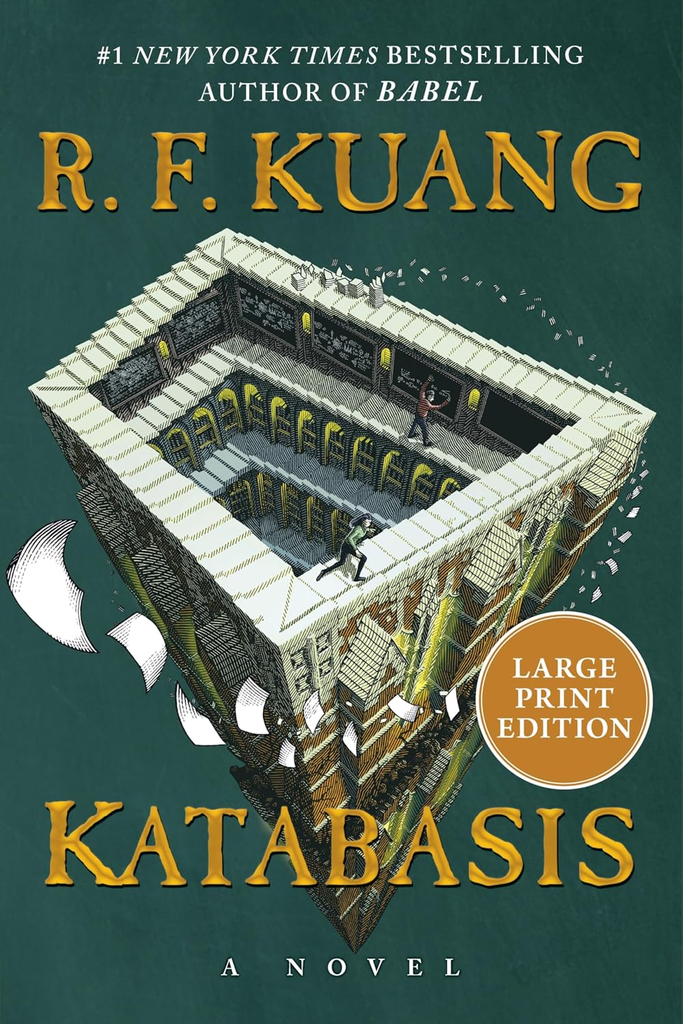
4. Katabasis by R. F. Kuang
In Katabasis, two Cambridge graduate students travel into Hell to find the soul of their late professor. Alice Law and Peter Murdoch are academic rivals, but both need the professor’s recommendation for their futures. Their journey makes them work together in a place where the usual rules do not apply.
The novel uses myths about journeys into the underworld to explore ambition, grief, knowledge, and sacrifice. Alice has sacrificed much of her health and personal life for academic success, and her time in Hell forces her to question if it was worth it.
Of all these metaphysics books, Katabasis focuses most directly on death and the afterlife. It also asks if achievement is still meaningful when the price is too great.
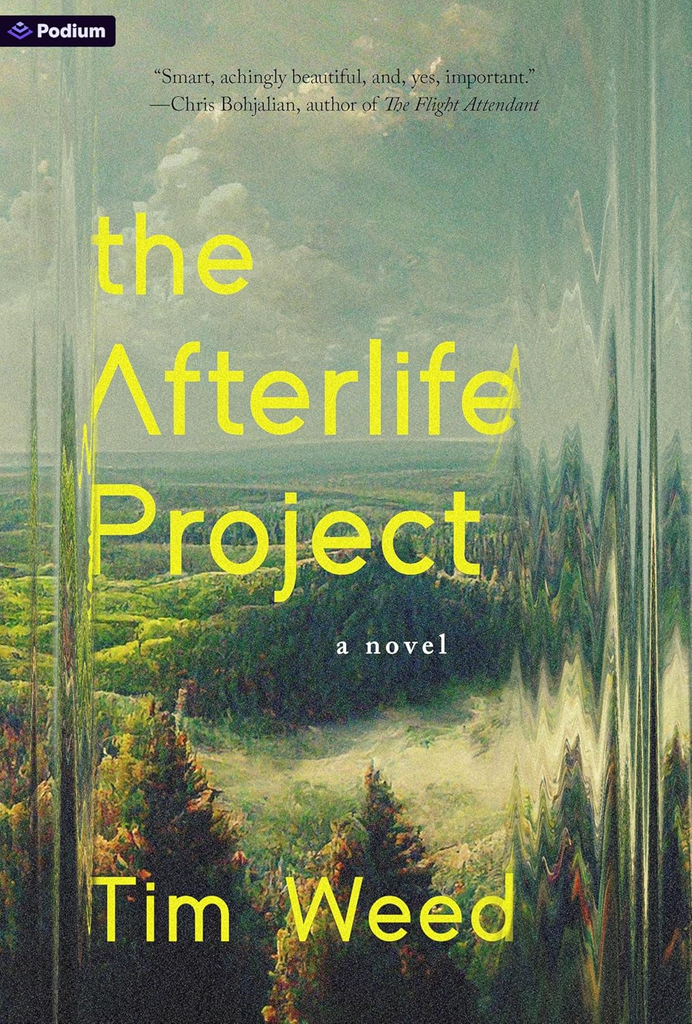
5. The Afterlife Project by Tim Weed
The Afterlife Project links two time periods that are ten thousand years apart. In one, scientists try to stop a threat that could wipe out humanity. In the other, a test subject wakes up in a far future and finds an Earth changed by time and the loss of familiar civilization.
The story’s vast timescale changes how we see human purpose. Individual lives are short compared to geological time, but love, survival, and hope still guide the characters’ choices.
The novel also asks whether humanity deserves a future and what might remain after people are gone. Readers interested in reality, extinction, climate, and consciousness will find these ideas built into the story, not just discussed as separate philosophy.
Choosing the Right Book
Each book looks at metaphysics in its own way. Wounded Wonders by Aaron Toronto mixes AI consciousness, spirituality, faith, and human evolution. Dissolution explores memory and personal identity. 2025 focuses on social consciousness after collapse. Katabasis deals with death, ambition, and the afterlife, while The Afterlife Project looks at extinction and humanity’s place in deep time. These metaphysical books for 2026 do not try to answer every big question. Instead, they give readers space to think about consciousness, reality, and human purpose through stories that feel personal, even when the settings are far from everyday life.